

Oops! All Gambling
The Death of a Meritocracy

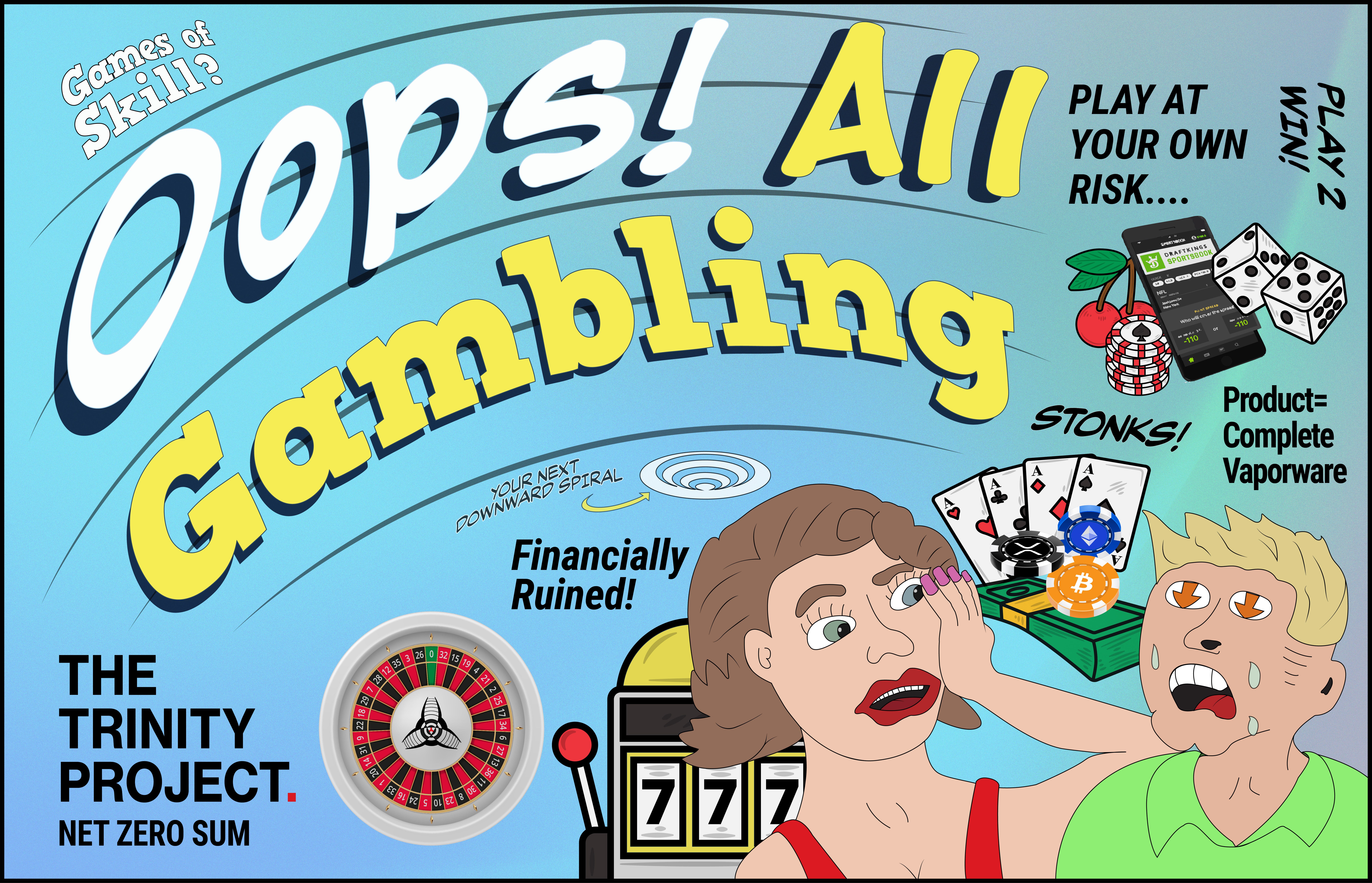
Everyday we take risks, we are betting on someone not blowing a stop sign, that some crazy accusation doesn’t get us fired, that the schizophrenic decides not to stab us on public transport, that speculative investments don’t crash the stock market, or that our politicians won’t plunge us headfirst into a new world war. Famed American Sociologist Charles Perrow pointed to how we live under these daily existential anxieties in his book Normal Accidents, stating that as our modern lives and society becomes more complex, the potentials for unintended consequences multiply. In practice this ever shifting landscape of flux and complexity ultimately leads to a degradation to our society’s morals and value structures. Virtues, work ethic, and conserving wealth all get discarded when we lose faith in the meritocracy. Some give up and choose to hibernate while others learn to embrace a more stoic outlook, possibly even seeking true spiritual respite, but in the face of societal upheaval many flee from rationality to irrational dreams and destructive behaviors. Gambling, both covert and boldly proclaimed, has become an axiomatic component of both post-modern society and the metamodern society which came to usurp it. I’m not ignorant enough of human history to claim gambling as something unique to our age, but we seem to be reaching some sort of high water mark. It’s this modern trend towards gambling, the forceful insertion of it into new domains with new adaptations unique to our age, that peak my curiosity.
Chance as Method of Divining
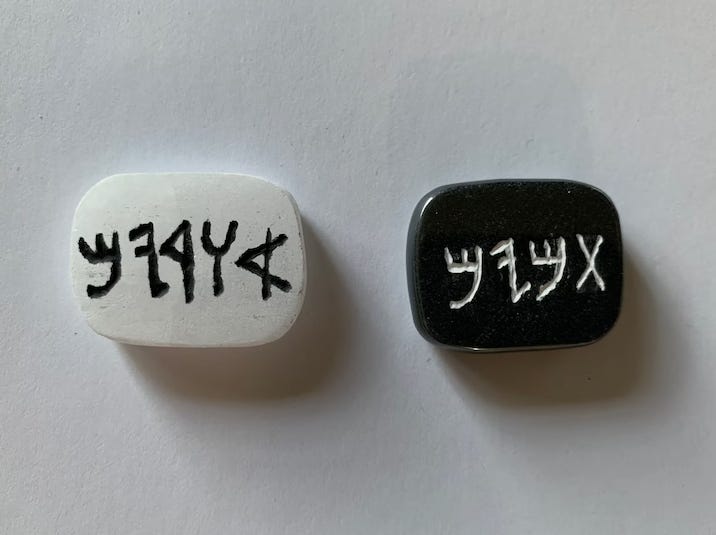
Since ancient times humans associated what appear to be “games of chance” with the divine or supernatural, evidenced by how Christ’s 11 remaining disciples initially cast lots to discern the will of God in replacing Judas, though in actuality they were not leaving the decision up to pure chance1. Exodus 28:30 (LXX: Lexham 26/OSB 25) and Leviticus 8:8 both reference the objects of “Urim and Thurmmim”, translated as Revelation/Unveiling and Truth in LXX, placed in the Breastplate of Judgement given to Aaron, the first Jewish High Priest. These ancient stones were used by Jewish High Priests, once again to discern the pre-ordained Will of God and not to influence or determine it2. We can also look at how taking risks often embodies the virtues of courage and faith, such as when Saint Peter went out towards Christ on the water, only to begin sinking in his human doubt and fear. However, only a neophyte or a fool would assume this faith and courage in Christ translates into a winning hand at Blackjack, fortune in business to business sales, or choosing the next big meme stock. Regardless, you will see everyone from influencers to scam artists claiming that you can “manifest” success by practicing pseudo spiritual practices such as “positive visualization”, even in realms of pure chance. While we might see positive results by practicing self belief and confidence, many will erroneously claim that manifesting “brings the universe to you”, which sounds an awful lot like a spiritual order putting man’s will at the center to the universe. In some ways praying to some pagan deity for good luck would at least be less egotistical and more intellectually honest.
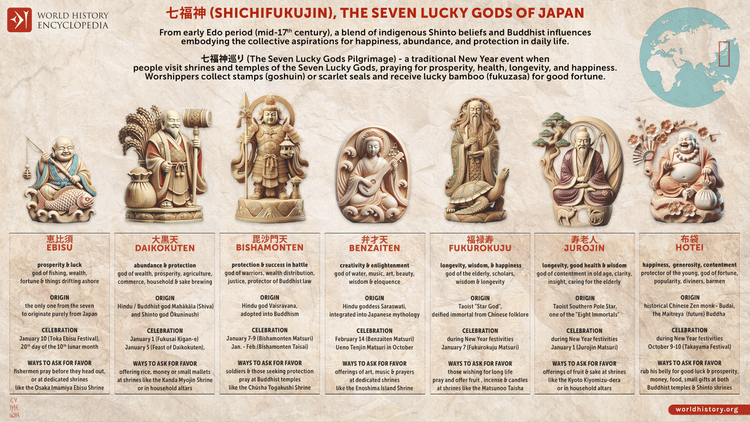
This idea of praying to a god for temporal good fortune goes back to ancient pagan society, as opposed to the Christian ethos towards prayer encapsulated by “thy will by done on earth as it is in heaven”. We see this continue into present times with one example being Japan’s “Seven Lucky God’s”3, a folk practice that remains preserved within a largely secular Japanese society. Aside from larping on the internet, I don’t see a large resurgence in pagan gods, but one could surmise that ritualized gambling, involving heightened superstition, represents one symptom of a broader degeneration within secular society back to pagan norms. Gambling reaffirms and feeds off of a solipsistic, egotistical, and nihilistic notion that one will always be the victor in their own story, the center of the universe, and the recipient of great material rewards in this life. This runs afoul of any serious Christian belief, since Christ tells us “blessed are those that are persecuted for righteousness’ sake, for theirs is the kingdom of heaven”. However, this selfish and materialistic outlook fits quite well with the American individualistic breed of capitalism, especially once you remove Christ as well as the vaguely “Christian values” that many agnostic citizens used to practice.
Capitalism and the Romanticization of Risk
Unlike the kings and nobles chosen by blood or divine rite, the capitalist system has always made chance and risk key ingredients to sorting out it’s hierarchy. While meritocracy promises that anyone can work their way up to the top, prove their value, and succeed regardless of where they start out in life, often this notion turns out to be a lofty ideal, an idle promise, or even a “noble lie”4. In reality, corruptions such as nepotism and monopolies often end up stifling innovation and limiting market opportunities for those who want to become entrepreneurs or climb the corporate ladder to provide better alternatives. This frames risky gambles and tricks as the sole opportunities for advancement. There can also exist market conditions which reward excessive risks, speculations, and lack of caution on the way to an inevitable collapse, all the while disregarding any reasonable skepticism. Those in the modern online discourse call this skepticism FUD: fear, uncertainty, and doubt. To the degenerate gambler, as well as the outright fraudster, these three words spell heresy.

On the bright side, many people now understand the adage that in a gold rush the winners aren’t mining the gold, they’re “selling the shovels”. I like to refer to this methodology of working smarter as an “economic judo”, which involves doing some leg work on the front end creating tools which generate steady revenue off the backs of those taking on much higher risks. It’s human nature that in the middle of a gold rush one gravitates towards finding gold rather than providing the shovels to dig it up. In life you do always have to take risks to achieve success, that’s undeniable, but when we disregard rationality, we often open ourselves up to chasing a dream into a downward spiral. The great modern example of this was the Crypto.com advert featuring Matt Damon claiming that “Fortune Favors the Brave”, with the great irony being that Crypto.com, a crypto currency exchange, doesn’t take the same a bold risk, it sells the metaphorical shovels. In an even greater irony, the selling of a third party platform to buy, trade, sell, and hold your Crypto goes against the original ethos of these decentralized currencies utilizing advanced blockchain technology.
Oh the Places You’ll Go with Gambler’s Fallacy
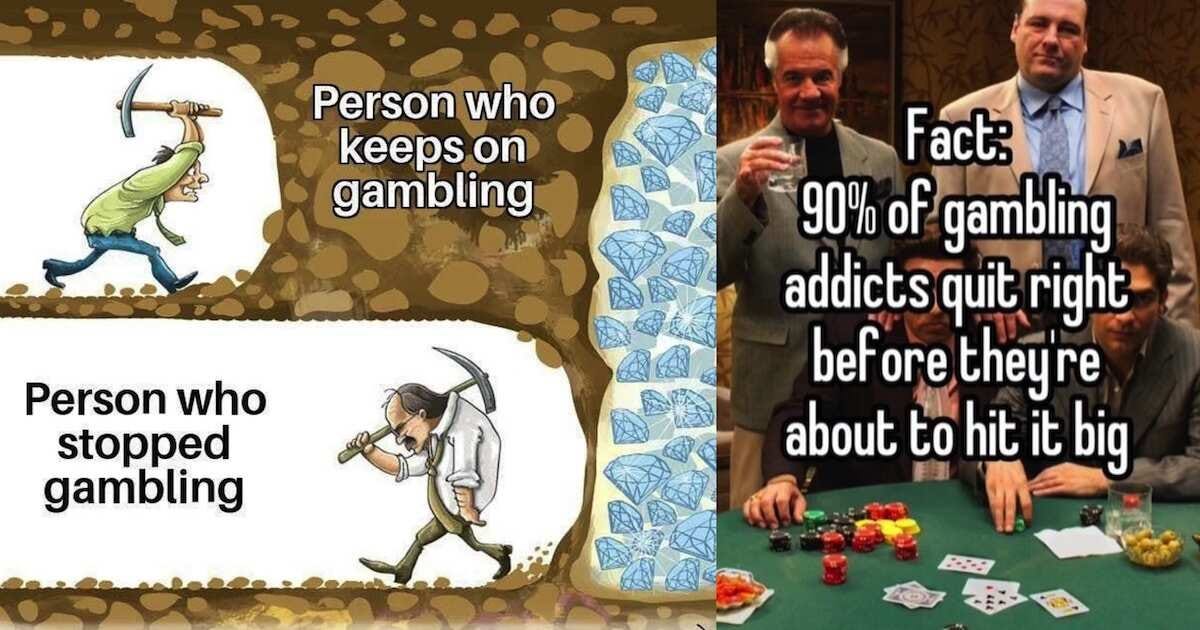
The APA Dictionary defines Gambler’s fallacy, also called the Monte Carlo Fallacy, as “a failure to recognize the independence of chance events, leading to the mistaken belief that one can predict the outcome of a chance event on the basis of the outcomes of past chance events.” The most overt example would be betting on black in a game of roulette after witnessing successive times where the ball landed on red, when in fact the probability of landing on black is not at all linked to the past results of red. From the outside, it’s easy to understand this, but when one enters a psychologically altered state, particularly one involving a dopamine dependence, probable alcohol consumption, and the hope of “hitting it big”, even the most rational man can get suckered into believing he’s just one more round away from winning it all back. As the meme goes, “90% of gamblers quit before they win big”, a distillation of the very real fear of missing out (FOMO) which many gamblers experience. Even if the data suggests you should cut your losses, the human spirit is one of tenacity and sticking things out, because in other areas of life this pays off. When it comes to getting through a hard day of labor, surviving calamities, forging relationships, and battling illness, sticking to it often proves to be a virtue. However, when one encounters sunk cost fallacy on top of gambler’s fallacy, therein lies the real death spiral. While this behavior could once be contained within the ornate clockless walls of Casinos and backroom card games, what happens when this behavior invades other areas of life?
“You’ve got to know when to hold ‘em, know when to fold ‘em’. Know when to walk away, know when to run.” -Don Schlitz (famously sung by Kenny Rodgers)
Sports is Gambling (AKA a Portal to Hell)
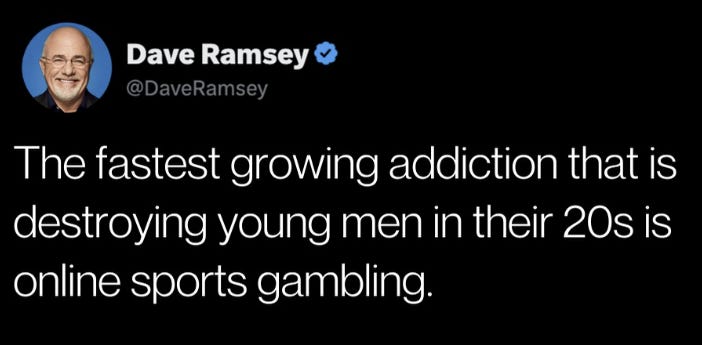
While sports go back to ancient times as a bread and circus distraction, betting on sports used to be something niche, even illicit, and certainly not something you saw ads on TV for. Now you can’t seem to open your smartphone or browse most websites without seeing some form of sports betting ad, and as a young adult male they even send me junk mail for slop like Draft Kings or Fan Duel. Despite being generally considered an out of touch baby boomer, Dave Ramsey recently made a fiery and emotional slam dunk summation of everything wrong with online sports betting. He described Fan Duel as “a portal to hell” and Draft Kings as “kings of nothin’ but their own pocket book”, stating that all of these platforms are screwing over a generation of young men. He also brilliantly points out that these companies can only spend billions of dollars on ads, because they are profiting so much from their users. Probably the worst offender would be parlays, where there’s high upside, but low chances of success. Ironically, the money placed into these apps and sites likely fuels the lobbying efforts which allow them to operate in increasingly more states.
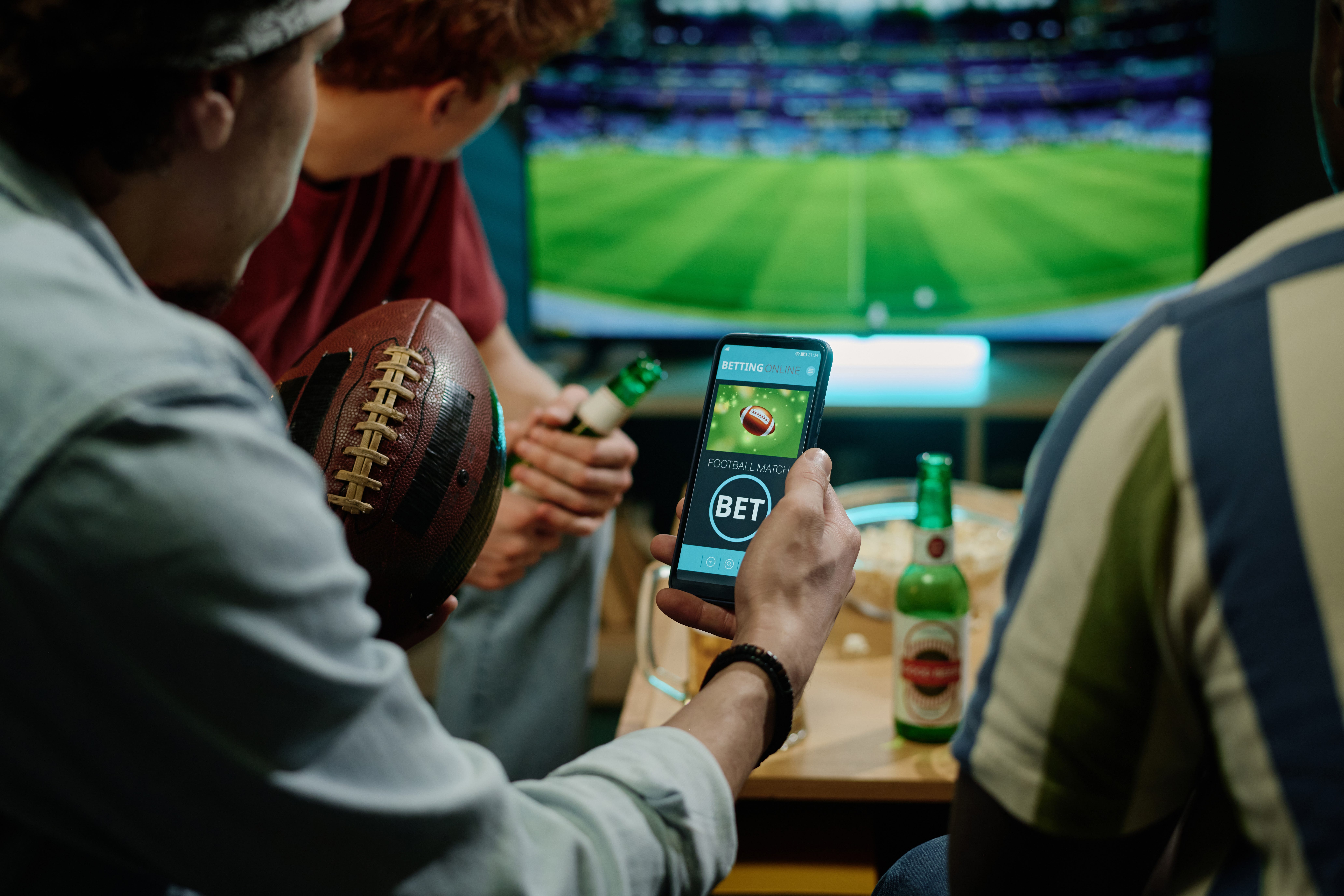
It may seem less obvious to those who avoid sports altogether, but sports betting can also degrade the quality of the sport itself. It turns what should be a leisure entertainment activity into a potentially dangerous obsession. Some players and refs may even be paid off to help fix results and in game statistics to make illicit money on the side, and even the possibility of this causes scandal. Sports leagues and teams often turn a blind eye to the dangers of sports betting addiction, because it brings in a large amount of sponsorship money and it draws more viewership from those who wouldn’t otherwise tune in. You don’t necessarily have to tune into the games you bet on, but everyone likes to watch the roulette wheel spin before the ball lands, and the sports leagues seem to understand this. When you watch a game, you may feel a superstition that you can effect the outcome, even though logic tells us otherwise.
Current Events are Also Gambling (It’s All Sports)

I’ll try (and probably fail) to keep this part brief, because much of what applies to sports betting apps and websites applies to this too. Unlike the aforementioned sports betting apps and sites, Polymarket allows users to bet not just on sports, but on various future outcomes related to current speculations. Absurd bets include, but are not limited to, the return of Jesus Christ, the confirmation of aliens existing, and the US entering a new civil war. This reveals that for a lot of people politics and the current news cycle are no better than watching and keeping up with sports. The often cited convergence of news and entertainment proves more than just a cliche when our news feed becomes endless spectacles and distractions to pay attention to. The same way leagues corrupted sports for sake of profit, media companies took our rational desire to keep up with current events and perverted it into just another distraction, and ultimately something we might gamble on instead of seeking to change. I will give Polymarket this: it’s a much more organic and tongue in cheek expression of where we are at as a culture, and it shows more class than the pure sports betting apps. Unfortunately, I see a sort of nihilism in their mission, oddly similar to the disaffected nihilism often found on 4chan and Kiwi Farms. There’s a sense of humor and self-awareness to it, and I would argue there’s something post-ironic about the absurd bets we see placed on Polymarket. Of all the things we turned into betting, current events gambling seems be one of the least worrying, even if it’s one of the most blatant and quirky examples. That said, I’m currently about one more AIKalshi ad away from throwing my phone through a window, so there’s still a lot of degenerate slop to be had in this domain. Unfortunately, it seems platforms like Kalshi or Polymarket end up catering to more sports and celebrity slop anyway, so I can confidently say they still represent a net negative to society.
Video Games are Gambling (For All Ages!)
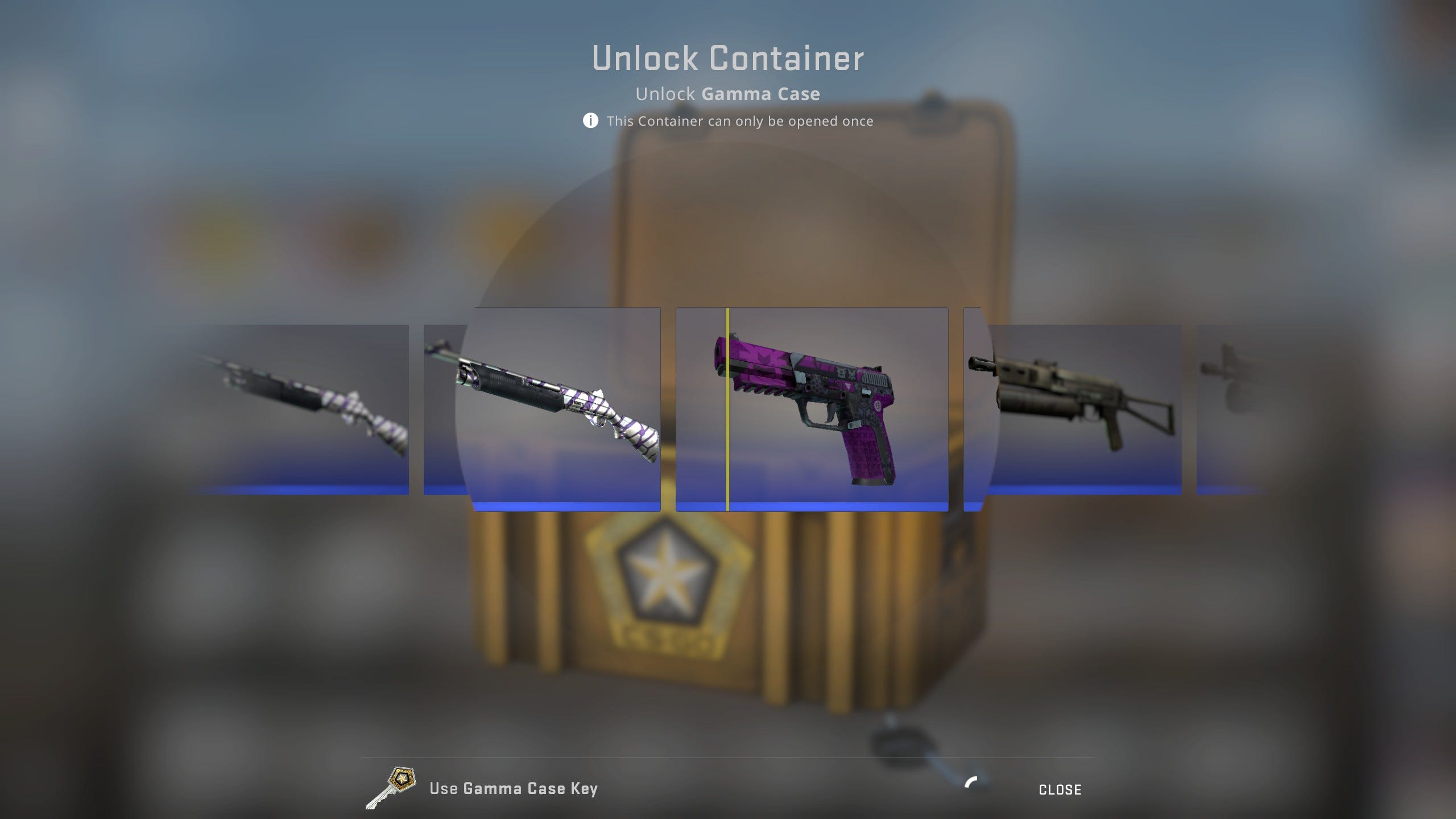
To make gaming experiences more enticing and financially lucrative, many game developers now turn to gambling psychology. Whether it’s Valve’s CS:GO loot boxes or EA’s FIFA and Madden Ultimate team, developers have found new ways to squeeze money out of their customers. Whether it’s a pay to win system, or skins that can be traded for real money on black market platforms, once again the house always wins. Whether these games are rated E for Everyone or M for Mature, kids are getting involved with gambling in video games, whether that’s just the mechanics or with real money. Now this isn’t about casino mini games like “Voltorb Flip” in Pokemon HeartGold and Soulsilver or literal slot machines in games like Fallout New Vegas. These overt gambling references (without actual money involved) are notably less dangerous than the covert gambling mechanics which take real money from gamers, who are in many cases minors. On the bright side, at least the public has gained some awareness of this issue, with many YouTubers and journalists spreading awareness and advocating for change. This might be a case where legislation can actually help protect users, since running a casino or gambling organization already requires a license in most states.
Dating is Gambling (One Swipe From Love?)
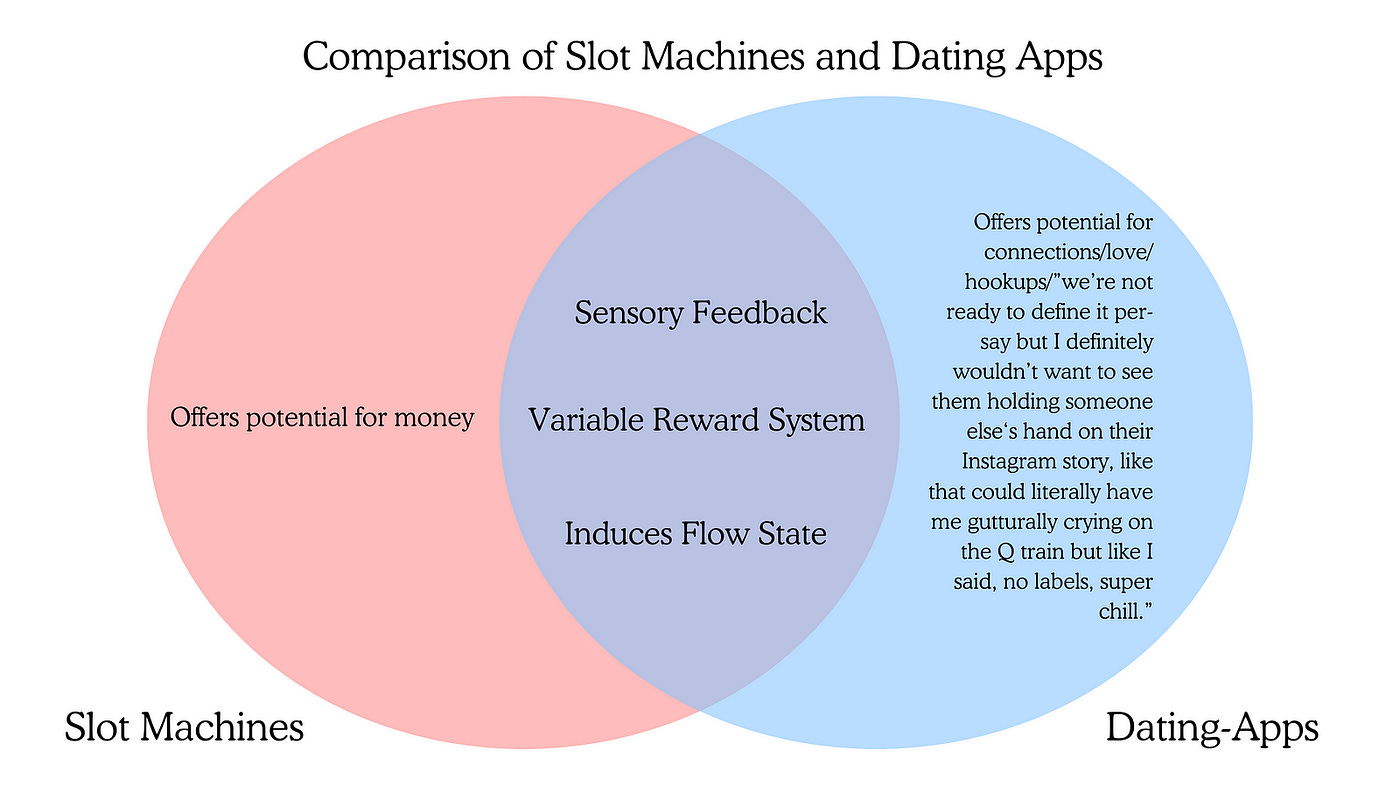
An often overlooked blight on our society, ever since Grindr5 gambling mechanics have invaded the realm of dating culture through the Trojan horse of dating apps. Once a upon a time, creators of the original for profit online dating services Match.Com or eHarmony would make money charging a membership fee and at least in theory optimized for compatibility in order to generate success stories. However, when the medium changed from websites to apps, the experience and end results also changed. As a modern sportsball athlete might say “the speed of the modern game has changed”. While in person interacts can be equally superficial, dating apps decided that judging a book by it’s cover wasn’t a bug, but instead a feature.
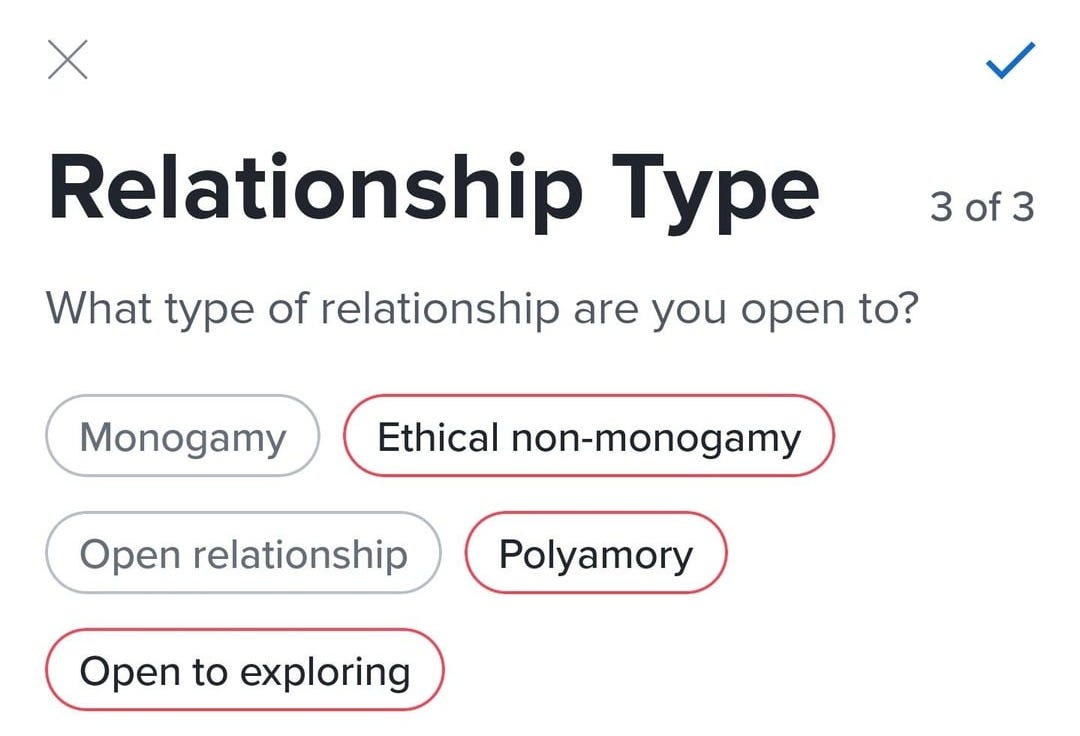
For lasting monogamous relationships, the most successful dating strategies tend to involve scenarios where shared affinities and culture at a local level bring likeminded people together. Friend groups, Churches, workplaces, dog parks, coffee shops, or amateur sports, these are all valid ways in which couples would, and still do, meet each other. Dating apps told us was that a few carefully tailored pictures, a witty bio, stats like age and height, and a few choice hobbies and interests would be better at selecting for compatible people. Friend groups in particular provide a great way of selecting for partners, because anyone who acts in an anti-social manor, generally being a massive jerk, usually gets ostracized from the friend group or at least labelled as someone to avoid in dating6. Now replace that organic social mechanism with a repetitive “flow state” of swipe left and swipe right, and now you are incentivized to make decision on “vibes” like a typical gambler, rather than a rational actor. Someone who could be the love of your life might be rejected for having bad pictures and bio, while a sociopathic serial domestic abuser might present with a well catered and enticing profile. Feminists might blame the “narcissistic” men7, and MGTOWs8 simply the shallow women, but you should see by now it’s the system that’s inherently flawed and produces these outcomes by it’s faulty selection bias.
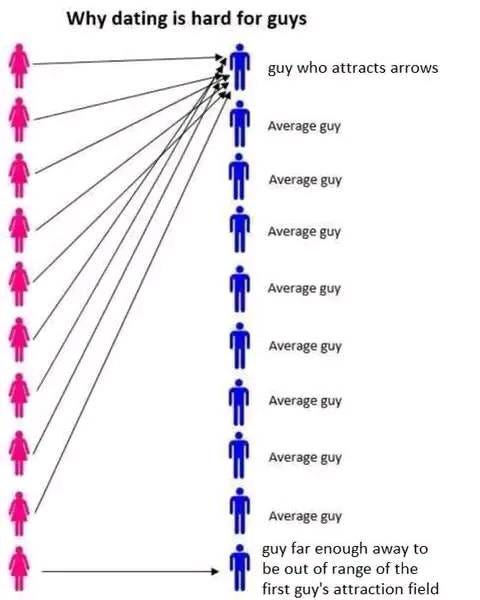
These apps aren’t charities either, they make money from putting key features behind paywalls to monetize both hypergamous non-monogamy and the desperation of low status men and women. There’s also ratios of 2:1 and even 3:1 of men to women on these apps, which by design makes these women more selective, even to their own detriment. Thus men and women are both gambling, just from different odds and prize tiers. The women gamble that they will find their “ideal man”, who fits a list of largely superficial criteria that would be less applicable in person, while most men are gambling just to get a single match. Once you actually match with someone and agree to a date, that also doesn’t guarantee it will happen. People often get cold feet meeting up with a stranger, they change their mind after matching with someone else, or they might even be a catfish. There’s varying degrees of success with each app, but essentially dating apps are vaporware. Just like gambling, you do have success stories, but even though some walk out of the casino as victors, that doesn’t change the fact the house always wins. Dating apps generally make the most money by trapping desperate lonely men and women getting conned into one night stands, while driving user retention through lack of dating success. I’m not saying it’s easy to meet people the old fashioned way, we no longer live in the sort of high trust society that looks fondly on approaching a stranger, but it would be better to focus on building a network of people who will provide you with social proof and connections to eventually lead you to the right person. Maybe I’m just old fashioned, but I believe God matches the right people, not algorithms rife with gambling psychology.
Investing is Gambling (Update: I am Financially Ruined)
With rapid inflation and deteriorating faith in the traditional financial systems, a skepticism not without merit, many have turned to financial gambling as a means to get ahead. It’s worth noting that institutionalized financial gambling led to the subprime mortgage crisis, which has reentered the zeitgeist through the popular movie adaptation of the Michael Lewis’ book “The Big Short”. Investing often mirrors fashion trends in that the average guy will copy those above him in the hierarchy, even to his own demise. Though certainly entertaining, the Wall Street Bets subreddit, often shortened to WSB, has thrown fuel on the flame of financial gambling, helping to normalized much of the new financial lingo such as “stonks”, “bag holder”, and “to the moon”. They also managed to create the single biggest artificial stock pump in history by buying, and “hodling”9 “meme stocks”, chiefly GameStop ($GME), in order to break the conditioning of the financial system. This created a precedent that perception and sheer will power could inflate the value of stocks and securities beyond their natural value. While this collective act proved a valid point about the fragility of the financial system and truly “stuck it to the man”, various grifters have since taken advantage of this new fervor for risky investments.
“I unknowingly commingled funds….I was frankly surprised by how big Alameda’s position was, which points to another failure of oversight on my part and failure to appoint someone to be chiefly in charge of that, but I wasn’t trying to commingle funds.” -Sam Bankman-Fried, source: Banking Dive
Crypto currencies and NFTs were the next natural domain to be turned into financial gambling with their lack of regulation and oversight by traditional governing bodies. While legitimate crypto currencies such as Bitcoin, Ethereum, and more obscure currencies such as Monero serve a role as legitimate functional currencies, many people have created “Meme Coins” to cash in on the trend towards crypto currencies. Creators of these “currencies” will generate hype and proomise the currency will “go to the moon” rather than pitching a rational and gradual plan for sustained growth and practical use cases. Many will even go as far as adding in mechanisms for making money off referrals in a similar way to multilevel marketing schemes. At some point, whether immediately after launch or at a predetermined peak, the creators and major stakeholders of the crypto currency will dump the coin and leave the “bag holders” high and dry as the value graph sharply declines. Due to the often anonymous nature of crypto trading, these crypto scammers will often claim that they “only started selling after the dip”, “didn’t sell all of it”, or otherwise weasel there way out so they can move onto to either their next scam or an early retirement. The FTX scandal showed that even the crypto exchange platforms themselves could be scams, with the illegal comingling of unbacked customer funds with risky investments, resulting in a violent and sudden liquidity collapse10. Not only is the user gambling on their crypto investment going up or down, they are also potentially taking a risk on the exchange losing their investment if they don’t use their own Crypto wallet. While the Feds started sending these scammers to prison since the early 2020s, it has left victims for the most part high and dry. With the Donald Trump team creating their own meme coin , $TRUMP aka “Official Trump”, which many label a “pump and dump”, calls for sensible Crypto regulations may continue to reach deaf ears.
Gambling is Mythology (Podcasts & Streamers Never Lie)

In the social media age the only thing that may have become less about gambling, is gambling itself. To elaborate, I want to take a quick detour to talk about Mikki Mase, a popular influencer and self crowned “professional Gambler”, who shows how social media and the podcasting circuit has changed what how we view high rollers. It used to be that gambling revolved around games of moderate skill, mainly forms of poker, where professional players use bluffing and even double bluffing to achieve victories based in part on skill. Mikki Mase on the other hand realized that you could also use social media and podcast appearances to sell the audience on your alternative telling of events to create a false persona of being an outlaw of gambling who “beat the system”. Mikki Mase’s major claim is that he found a way to mathematically beat Baccarat, a game which mathematically gives an edge to the bank (aka the house). How do you crack a game which gives an inherent mathematical edge to the house? Simple, you take daddy and mommy’s money and you throw it around pretending you won, because what’s really important is selling people on the idea of you winning. You also claim that the major casinos have kicked you out, only to turn around and play at major casinos the next day. The casinos will let you do this, because it furthers the mystique of the outlaw underdog who beats the house at their own game. This further encourages people to go to the casinos in hopes they will also beat the game, even though it’s based on a fake persona being sold to them.

Mikki isn’t alone in marketing his tales of gambling, we see the same from established figures like UFC CEO Dana White and music artist (and alleged MAP) Drake making millions glamourizing gambling. However, there’s an even bigger problem when streamers take deals to advertise gambling websites to their young and often parasocial audiences. Some examples of popular gambling streamers include Trainwreckstv, Roshtein, xQc, and Adin Ross. While there are some dedicated gambling streamers, many of these influencers notably have a crossover audience from regular gaming and irl vlog content. One I’ve picked up on was fitness and “looksmaxxing” influencer Togi (real name Shane Stoffer), who transitioned his focus into gambling both online and in real life as a lifestyle. When someone goes from self improvement content, even in it’s the most misguided form, to promoting a gambling lifestyle, it send a message that gambling can be part of your self improvement journey. Perhaps it’s not such a huge jump though, because any guy who injects himself experimental drugs to build physique already engages in performative risk taking behavior11. Worse yet, we have a lot of evidence that certain streamers have even utilized secret “God mode” backdoors from the developers or received free credits from online casinos on top of their base pay (meaning they aren’t with their gambling own money). For more in-depth tales of this corruption, I recommend watching the gambling expose by YouTube journalist CoffeeZilla (I’ve done enough shameless ripping from him for one article).
The Real Problem with Everything Being Gambling

You might take me for a fundamentalist or a puritan with my complaint about the influx of gambling into our society, but really it’s not the gambling itself that bothers me. If you choose to gamble at a casino, play online poker, or buy the occasional Powerball ticket for the sake of entertainment, I don’t think there’s a tremendous harm (though you should be prudent as to whether these things are taking over your life). What I have a problem with is gambling becoming the center of society, when it goes from the Vegas strip to Wall Street and Main Street to the point where it becomes an inescapable blight. At least casinos are highly regulated entities bound to certain legal standards, but the rapid spread of gambling often equals a lack of regulation. Also, when legitimate pursuits of skill are turned into games of chance, we create the conditions for private human tragedies. When you earn your wealth you typically learn over time to use it prudently, but lottery winners who take a lump sum are more likely than others to declare bankruptcy within 3-5 years of their winning ticket. Instead of blaming the system, our individualistic society places the blame solely on the individual person. They were simply an inadequate steward of their money, even though their parents and education system failed to teach them the intricacies of tax codes and the peril of lifestyle inflation.
This system will dangle a carrot in the face of a beaten down working men and women, promising an easy escape and get rich quick schemes, only to make sure that they return right back to the plantation. When it comes down to it, the greatest tragedy is not that one gains money only to lose it, but that in the love of money one might lose their soul, something of immortal value. Inherent to gambling is the idea that money, resources, sex, and etc. will fix all of our problems. You see it in all of the influencer schemes, money will get you the car, the nice house, the woman of your dreams, and most of all happiness. What many men and women forget to calculate is right in the title of a Biggie Smalls track: “Mo Money Mo Problems”. What the average person really needs isn’t a lump sum of money, it’s the security that money will be coming in tomorrow to pay for the necessities and basic comforts of life being experienced today. When the system fails to provide average people following the social contract and working legitimate jobs the money to sustain the expected lifestyle of the middle class, they will begin to over extend themselves beyond what’s rational. They will turn to gambles, and there’s always someone willing and waiting to make a buck off of this desperation. Rationally you should do as Warren Buffet does, don’t follow the heard, buy when others are selling, and sell when others are looking to buy in. Gambling mindsets on the other hand tend to play into existing trends and rely on the idea that past success justifies the certainty of future success. A smart gambler, if there is one, shouldn’t play the game this way, but then it wouldn’t really be gambling
Oops, All Gambling = All Nihilism?

Underneath it all, the problem isn’t gambling, and gambling probably won’t be disappearing anytime soon. The real root of this problem, and so many other societal ailments, is nihilism. While gambling doesn’t represent the popularly understood despondent brand of nihilism, it does represent a brand of Nihilism that Fr.Seraphim Rose labels as “Vitalism”; in his book Nihilism: The Root of the Revolution of the Modern Age, closely associates Vitalism with the futurist movement. In Nihilism Fr.Seraphim characterizes the ultimate goal of Vitalism as, “to uproot, disintegrate, and “mobilize” the individual, to substitute for his normal stability and rootedness a senseless quest for power and movement, and to replace normal human feeling by a nervous excitability.” When you look at a roulette wheel, or a pair of rolling dice, you see something dynamic, exciting, and anxiety inducing; perhaps that’s what attracts so many to gambling, rather than a rational belief of winning. The dopamine of winning, or potentially winning, overcomes the fear of losing, such that one loses control of their decision making. All of the discussed avenues of “alternative gambling”: sports, video games, dating apps, and investing, show a deeper ideological push towards this Vitalist philosophy. The fact society shows an appetite for idolizing the archetype of the gambler also illuminates the broader orientation towards this form of nihilism. Meaningful regulatory victories, successfully treating gambling addictions, and deeper societal change may need to come downstream of defeating nihilism itself.
What Can We Do if the House Always Wins?

First of all, these corruptions only have as much control over as we collectively allow them, but unless you become a monk, you will likely be forced into some level of participation in risk taking. If you want to retire, you need to invest, but don’t aim for simply the riskiest of investments. Instead, use your brain and put money in places that are prudent and put at least some investment into the long term. Perhaps dating apps are best avoided, but when it comes to societal rituals like dating, there’s a certain level to which swimming upstream yields limited results. On the bright side, studies show that women are still receptive to being approached by men in real life, though the social proof of a friend circle will always make things easier. So if you’re an introvert who doesn’t like risky public approaches, try developing a close knit circle of friends which includes women (sorry, your Discord server bros probably won’t help you). When it comes to video games, there are plenty of other hobbies you can take up that don’t involve microtransactions, but if you must there are plenty of games that don’t lead you down this rabbit hole. When it comes to sports betting, you have to admit that to some degree sports are a lost cause, and most sports fans would benefit from getting off the couch to physically take up a sport. At the very least, you could go out and support a local team play instead, which would help support your local economy and build a key connection to the community. In this way, I think Britain’s local Football and Rugby teams are a much healthier way to enjoy sports than the commercialized sports here in America, which some allege are entirely fixed for sportsbooks. Finally, instead of idolizing gamblers, we should primarily follow the example of Saints, and on a lower secular level have respect for people who achieve success based on hard work and God given talent. Most of all we should take the example of successful people who are humble and not boastful. The insecure are always the first to boast and attribute their so-called “self-made” success to made up skills or a phony sense of divine providence instead of chance.
According to the Orthodox Study Bible, Acts 1:26 can be interpreted as asking God to offer his aid reveal His will between two nominated choices of disciples. They specifically prayed that God reveal his foreordained choice, not to goad him into making one.
It should be noted that Mormons continue this practice, largely because they are Judaizers. Allegedly Joseph Smith used the stones to translate the Book of Mormon, a usage that notably doesn’t align with the ancient practice.
These gods were originally derived from Hinduism, Taoist Buddhism, and Shinto traditions. For more information see: japan-experience.com
The “Noble Lie” comes from Plato’s Republic, cited by Plato as coming from his mentor Socrates. According to an academic article written by Catherine Rowett Socrates proposed that “all the citizens should be taught a myth or story” in his description of an ideal state.
Yes, the first major dating app was created for gay and bisexual men, and it predates Tinder by several years. This should tell you something about how dating apps are a medium inherently oriented against monogamy. Dating apps were never design to help maintain stable families and healthy birthrates, they were designed to reduce the friction of hookup culture. Just as Marshall McLuhan said, the medium is the message.
For some reason the high risks have made friend groups a taboo way to find a life partner, especially when dating apps provided a “safe” alternative.
Statistically actual narcissists are about 5% of the US population, and while men might be over twice as likely to be narcissists, that’s still a very small fraction of the population. However, there is a lot of data to suggest female narcissism presents differently and can be more covert and undertreated, or even misdiagnosed. In any case, the claims of having “dated a narcissist” far exceed what would be statistically expected, so either these women are choosing to disproportionately date narcissists, or they are exaggerating the truth. Sources: Harvard Medical School & Science Focus
MGTOW: “men going their own way”, tangential to Males Rights Activists and Voluntary Celibates. Often promote the practice of either using women purely for one night stands or abandoning them entirely. In the most extreme cases they may have mommy issues.
Also popularized by Wall Street Bets.
While this can happen to traditional banks, these banks have FDIC insurance to help prevent and ease the pain from bank runs. Crypto exchanges often claim to not function as banks for legal purposes, but provide benefits for “staking” Crypto, which essentially involves committing to holding it on the platform for a return.
Maybe there is a steroid freak to degenerate gambler pipeline, but I’d have to study this in more depth. You’ll have to let me know if there’s other examples of this.